
18 Steps to Vibe Coding Nirvana - Part 02
Last time we talked about vibe coding and app development and perhaps the wrong way to think and go about it. This week, we present an 18 step guide (don't take it too seriously but this is what we do).
Learning to Code before & during the AI Revolution - Part 5 - What to do now?
The final part turns away from prediction and toward preparation. Nobody knows exactly how AI will reshape the industry, but certain human skills have always survived technological upheaval. This part argues that learning to code today is less about memorising tools and more about developing qualities that persist: creativity, confidence, curiosity, community, and critical thinking. The goal is not to compete with machines, but to remain useful alongside them.
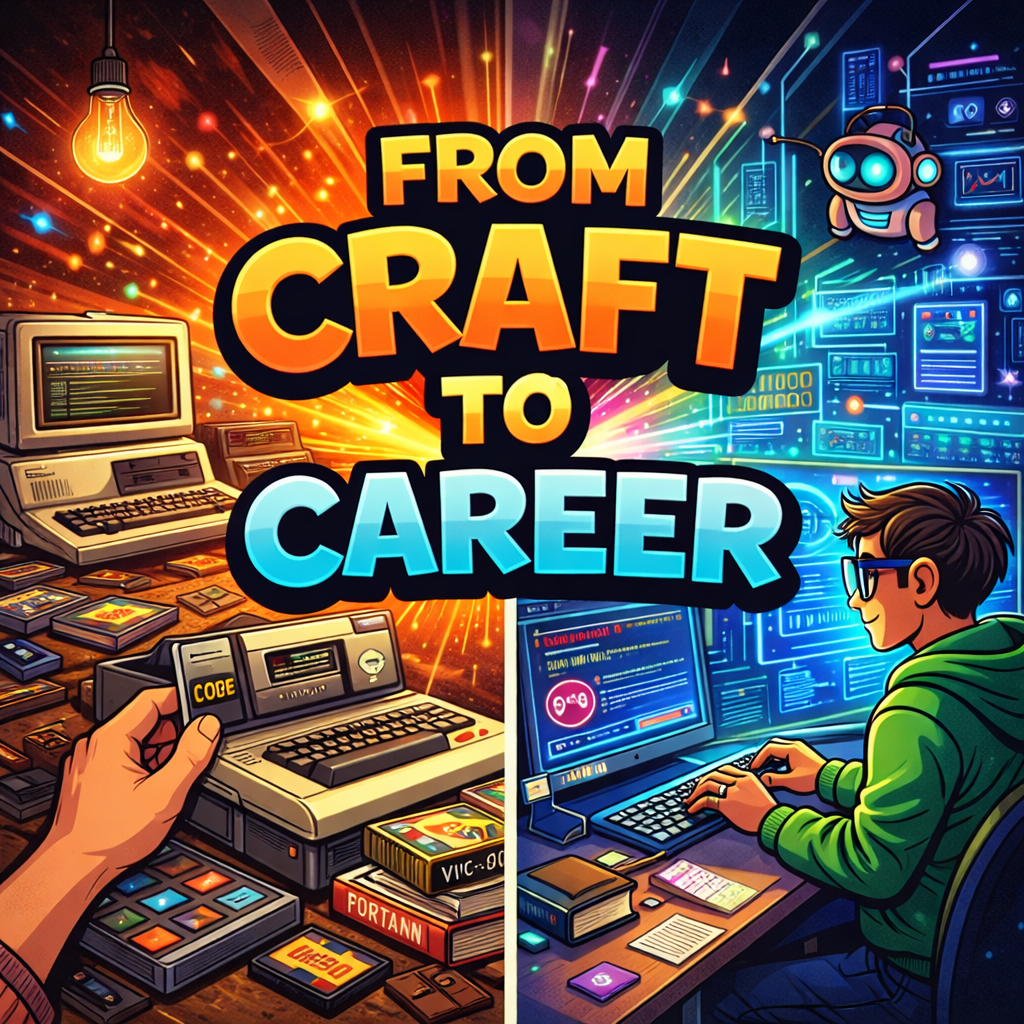
Learning to Code before & during the AI Revolution - Part 2 - From Craft to Career
As computing moved from hobby to profession, learning shifted again. Universities, commercial software, and the early web reshaped how developers were trained and how careers were built. This part follows the transition from bedroom coding to professional life, examining how skills were valued, why concepts outlasted languages, and how formal education was never the only viable path. It also challenges the assumption that credentials were ever a reliable proxy for capability.
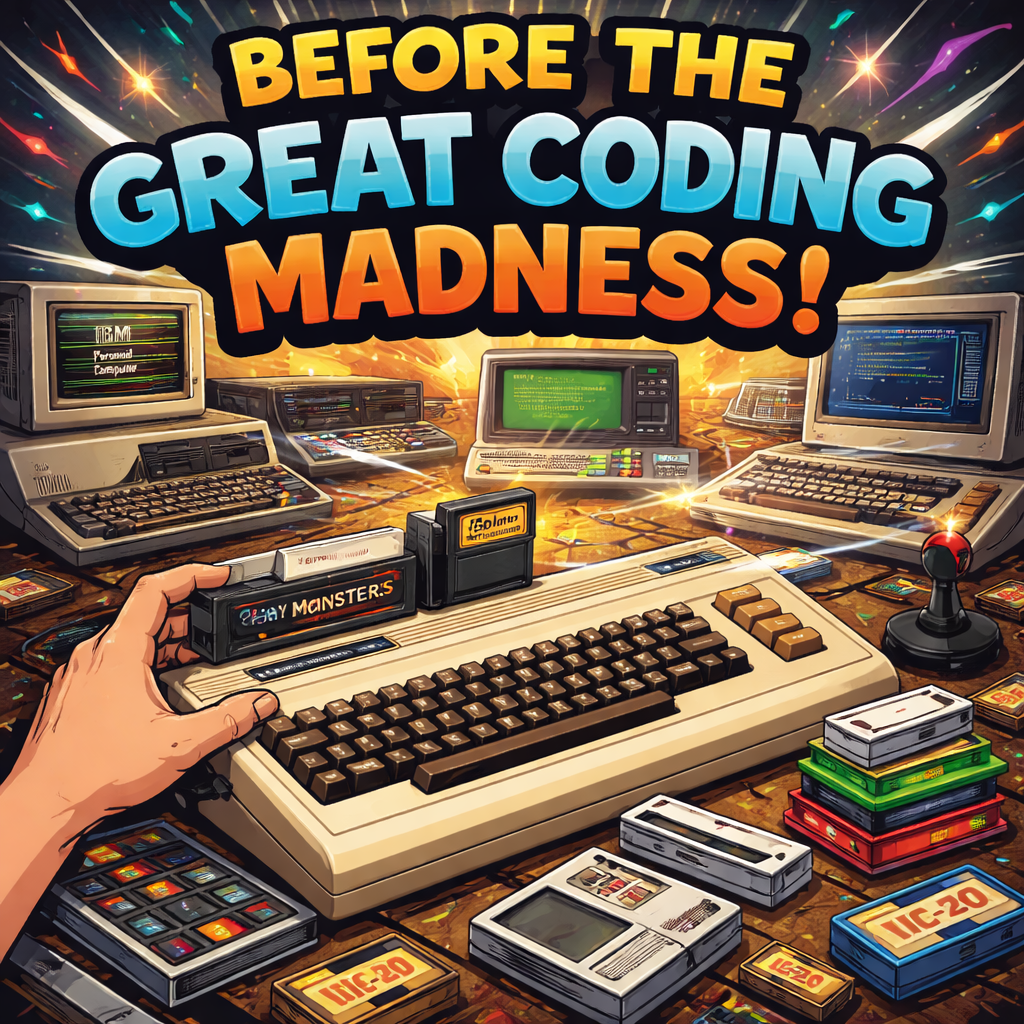
Learning to Code before & during the AI Revolution - Part 1 - Before the Great Coding Madness
Before AI could generate software on demand, learning to code meant learning slowly, visibly, and often imperfectly. Constraints were everywhere: limited memory, slow processors, scarce documentation, and no safety net of tutorials or instant answers. This part looks at what it was like to encounter computing as a teenager, how early machines shaped curiosity, and why effort and understanding were inseparable. This is not nostalgia for its own sake, but context for how a generation learned to think in systems.