
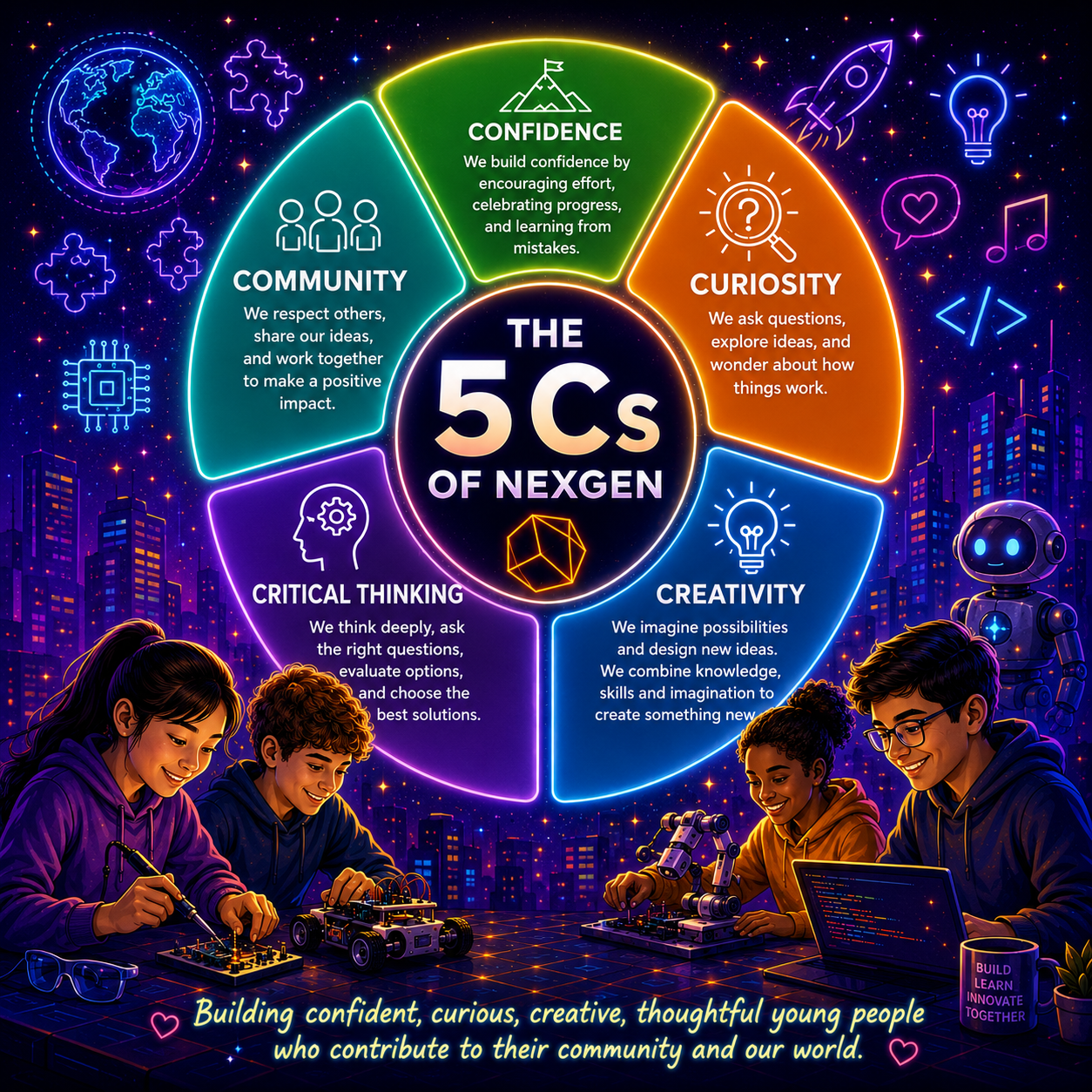
The 5Cs of Nexgen STEM School
Robots, circuits, games, code, and 3D models are not the destination. They are the vehicle. At Nexgen, we believe the real goal of education is to develop confident, curious, creative, thoughtful young people who care about their community and use their skills to make a positive difference.
18 Steps to Vibe Coding Nirvana - Part 02
Last time we talked about vibe coding and app development and perhaps the wrong way to think and go about it. This week, we present an 18 step guide (don't take it too seriously but this is what we do).
18 Steps to Vibe Coding Nirvana - Part 01
Its taking the World by storm - or so my algorithms would want me to think. Let's not get too excited here. Probably 0.05% of us have actually taken a vibe coded app into production yet. Have I? Nope - but I've built countless numbers of them as examples and full blown applications. So let’s take a deeper look into what that entails…for me at least!
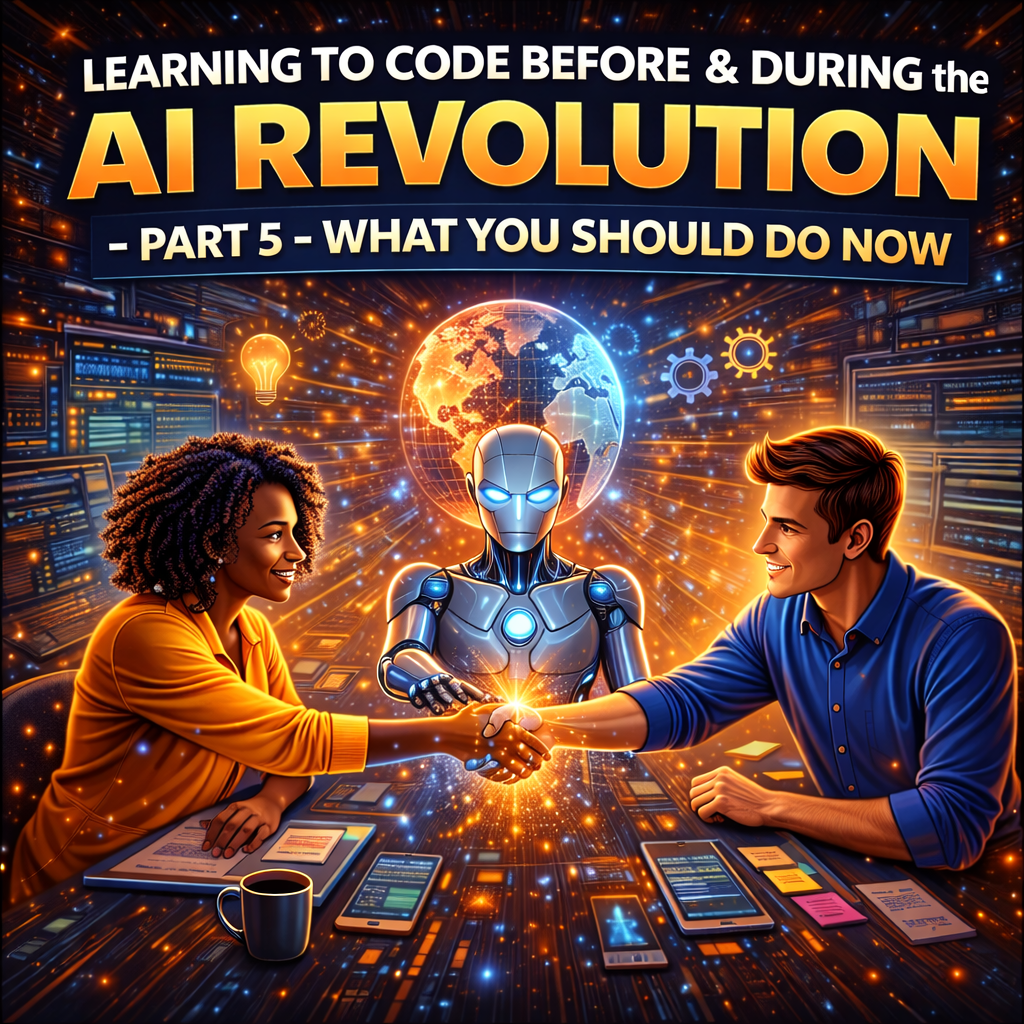
Learning to Code before & during the AI Revolution - Part 5 - What to do now?
The final part turns away from prediction and toward preparation. Nobody knows exactly how AI will reshape the industry, but certain human skills have always survived technological upheaval. This part argues that learning to code today is less about memorising tools and more about developing qualities that persist: creativity, confidence, curiosity, community, and critical thinking. The goal is not to compete with machines, but to remain useful alongside them.
Learning to Code before & during the AI Revolution - Part 4 - You are Superhuman
AI has turned developers into something close to superhuman. One person can now build systems that once required teams, time, and deep specialization. This part explores why that feels exhilarating and why it should also provoke caution. The concern is not that the bar has been lowered, but that effort is increasingly detached from comprehension. Whilst this moment is most definitely extraordinary, it will not last and so what should we be doing to embrace it and make it work for us?

Learning to Code before & during the AI Revolution - Part 3 - The Web, the Phone and the Opportunity
The arrival of the modern web and the smartphone did not just improve software development. It changed the tempo of the entire experience. Tools became friendlier…ish. Barriers were removed and replaced by opportunity. Learning materials multiplied but the learning experience was much the same - still.
Learning to Code before & during the AI Revolution - Part 2 - From Craft to Career
As computing moved from hobby to profession, learning shifted again. Universities, commercial software, and the early web reshaped how developers were trained and how careers were built. This part follows the transition from bedroom coding to professional life, examining how skills were valued, why concepts outlasted languages, and how formal education was never the only viable path. It also challenges the assumption that credentials were ever a reliable proxy for capability.
Learning to Code before & during the AI Revolution - Part 1 - Before the Great Coding Madness
Before AI could generate software on demand, learning to code meant learning slowly, visibly, and often imperfectly. Constraints were everywhere: limited memory, slow processors, scarce documentation, and no safety net of tutorials or instant answers. This part looks at what it was like to encounter computing as a teenager, how early machines shaped curiosity, and why effort and understanding were inseparable. This is not nostalgia for its own sake, but context for how a generation learned to think in systems.
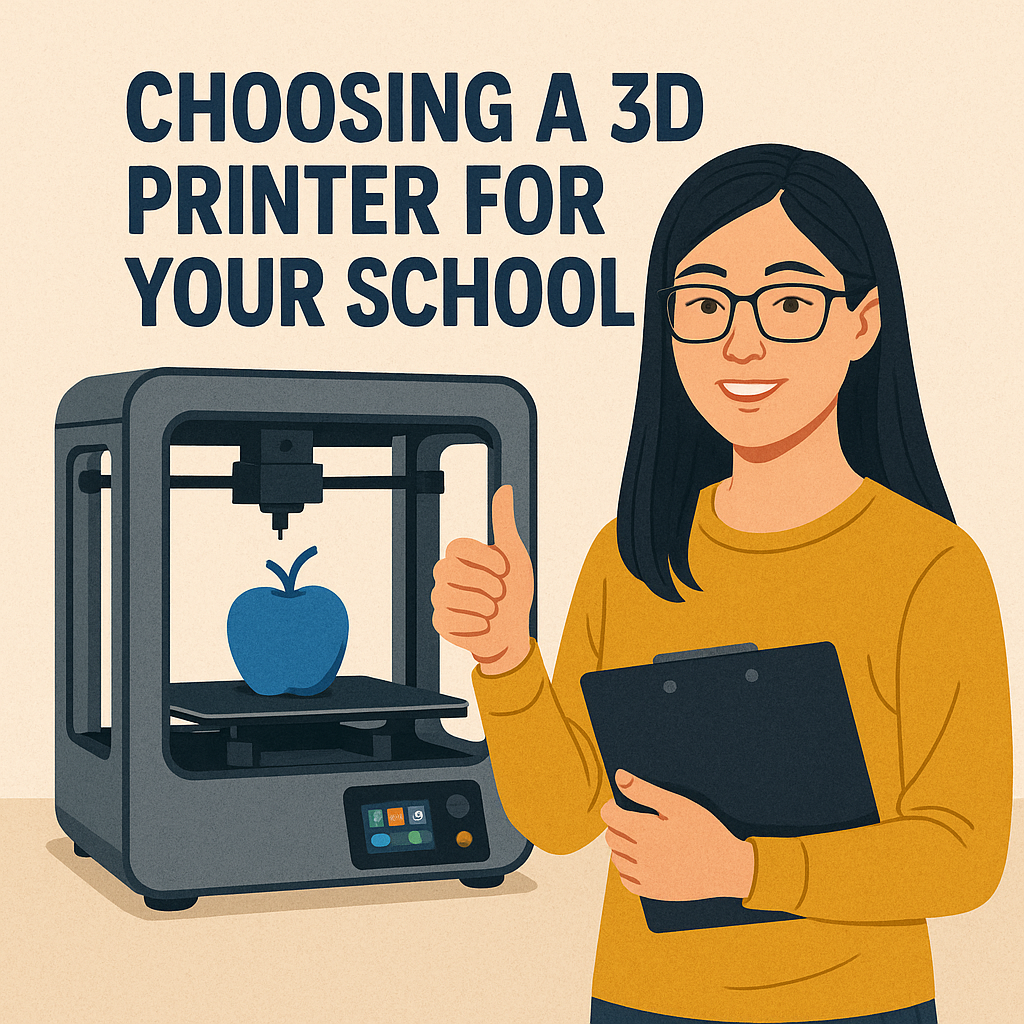
How to choose a 3D Printer for your School - Part 2 - Questions for your School
Choosing a 3D printer for your school isn’t about buying another gadget. It’s about unlocking creativity that turns projects into real products. In 2025, 3D printers are faster, smarter, and more reliable than ever, but knowing what to look for can make all the difference. From reliability and ease of use to cost, safety, and student access, this guide walks you through how to pick the perfect printer for your classroom. Your students will soon be designing like pros.
How to choose a 3D Printer for your School - Part 1 - The Printers
Choosing a 3D printer for your school isn’t about buying another gadget. It’s about unlocking creativity that turns projects into real products. In 2025, 3D printers are faster, smarter, and more reliable than ever, but knowing what to look for can make all the difference. From reliability and ease of use to cost, safety, and student access, this guide walks you through how to pick the perfect printer for your classroom. Your students will soon be designing like pros.